
Mesh Doors: How Do I Choose the Right Cabinet Mesh Door?
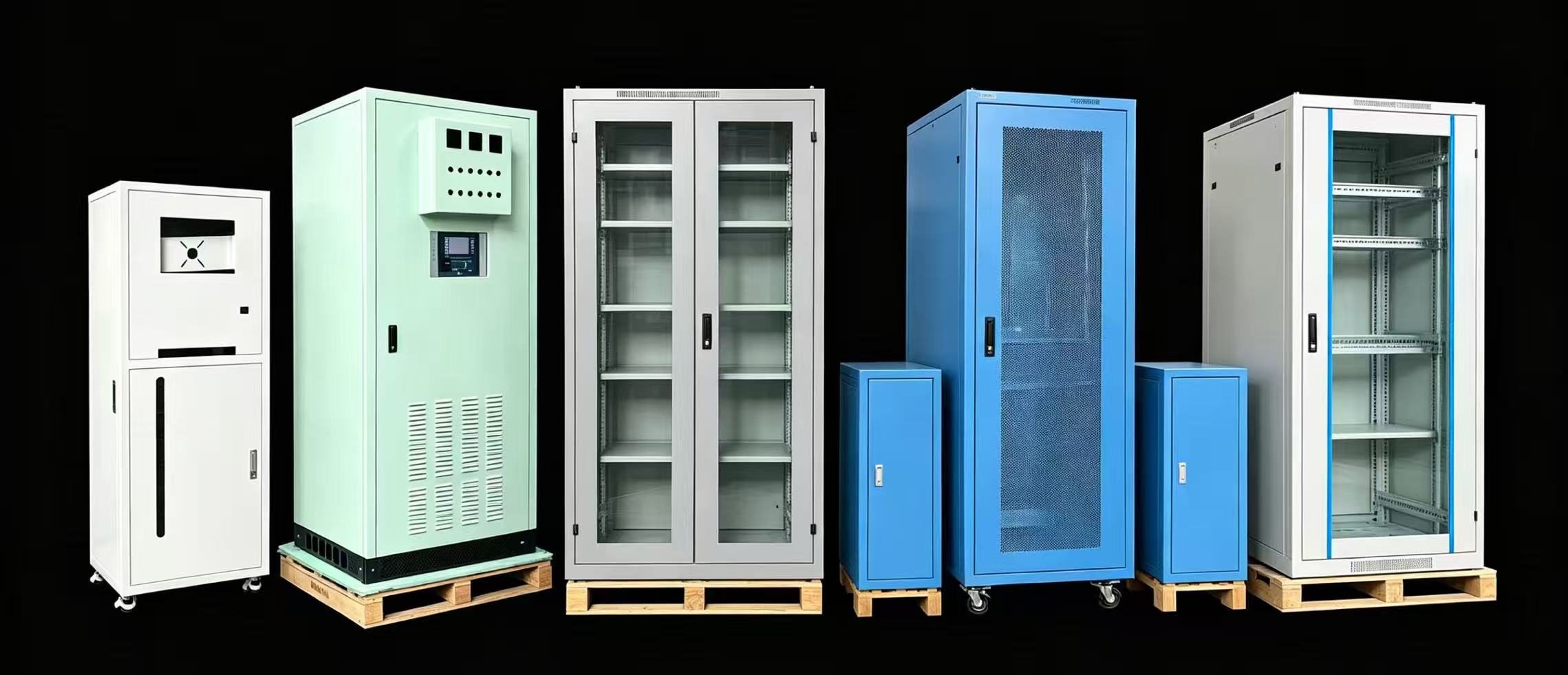
I often see cabinet heat problems start with the wrong door. The equipment runs hot, the room feels tight, and the project cost grows.
I choose mesh doors when I need better airflow, stable strength, and flexible cabinet design. A good mesh door fits standard 19-inch cabinets, supports 65% to 85% ventilation, and can be customized by size, hole style, color, lock, thickness, and structure.

I use mesh doors in many network cabinet and server cabinet projects because heat control is not a small detail1. A cabinet door decides how air enters and leaves the cabinet.2 It also decides how easy the cabinet is to install in a narrow room. I have seen projects where a glass door looked clean at first, but the equipment temperature became a problem after loading more devices. I have also seen full steel doors create a strong look, but the airflow was too weak for high-density equipment. This is why I pay close attention to mesh door type, hole pattern, opening method, depth, material thickness, coating, and accessories before production starts.
What Makes A Mesh Door Better For Cabinet Cooling?
I know poor airflow can damage equipment slowly3. The cabinet may look normal, but hot air can stay inside and shorten device life.
I use mesh doors because they provide high ventilation and stable protection at the same time. A quality mesh door made from cold-rolled steel can reach 65% to 85% airflow4, which is much better than normal glass doors and solid steel doors.
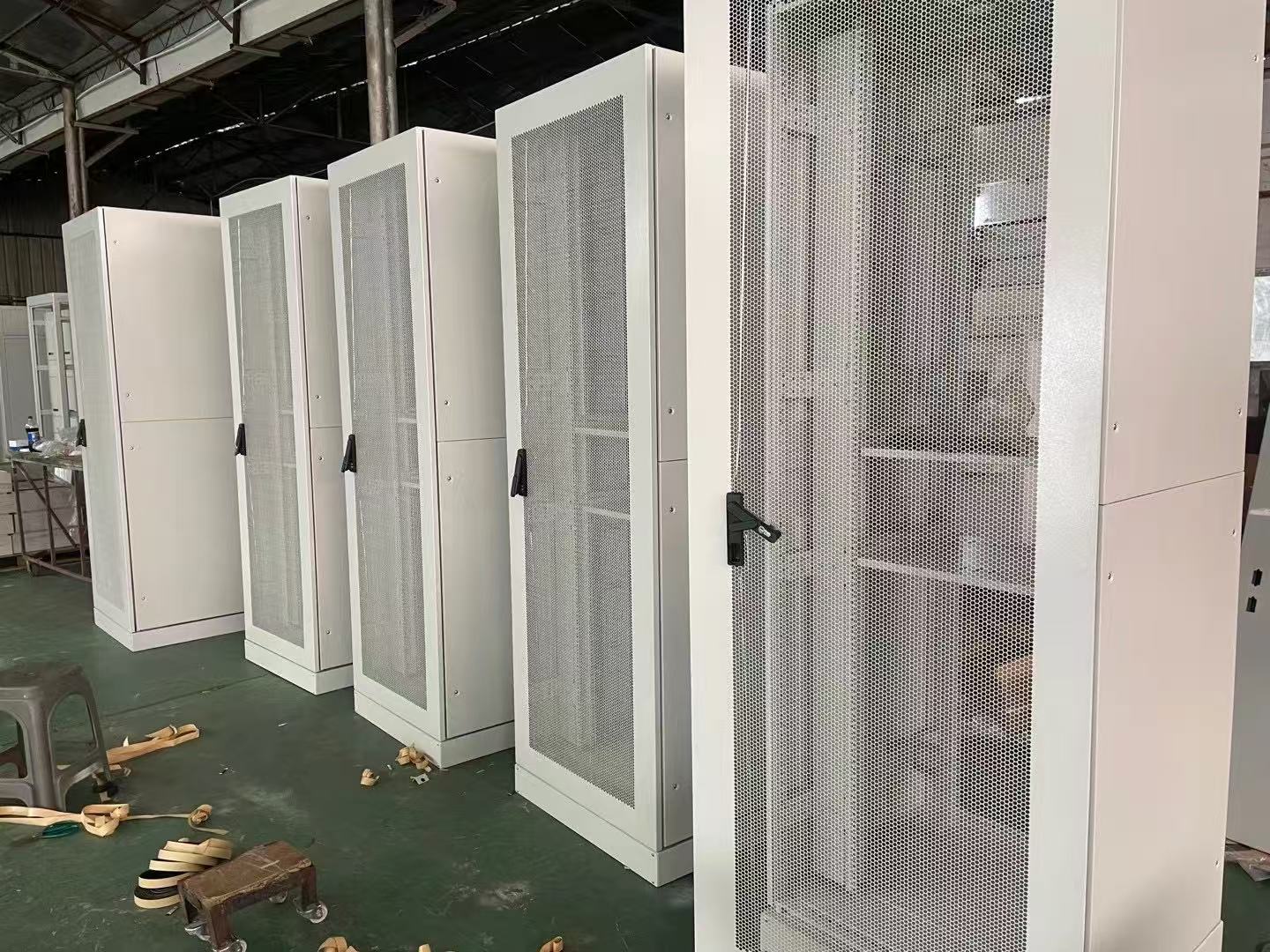
I make cabinet mesh doors from high-quality cold-rolled steel plate because this material gives good strength and stable shape. I usually apply mesh doors to the front and rear doors of standard 19-inch network cabinets and server cabinets5. The airflow area is the key point. A mesh door with 65% to 85% ventilation allows heat to leave the cabinet faster. This matters in data centers, network rooms, security rooms, and power control projects.
I compare mesh doors with other common cabinet doors in a simple way.
| Door Type | Airflow | Protection | Typical Use |
|---|---|---|---|
| Mesh door | 65%–85% ventilation | Strong and open for cooling | Network cabinets, server cabinets, high heat equipment |
| Glass door | Low ventilation | Good visibility | Light equipment, display use |
| Solid steel door | Very low ventilation | Strong closed protection | Dust-sensitive or closed control areas |
I do not choose a mesh door only because it looks professional. I choose it because it helps the cabinet work as a system. The door, fan, room air, and equipment layout must work together. If the cabinet carries many switches, servers, routers, or monitoring devices, I prefer mesh doors on both front and rear sides6. This helps the airflow path stay clear.
I also care about the mesh style. The door must be strong enough after punching. The frame must not shake. The welding must be clean. The coating must cover the mesh edges well. In my factory, I check size, flatness, coating surface, lock position, hinge position, and fitting before shipment.
Should I Choose Hexagonal Holes Or Round Holes?
I often meet buyers who only compare the look of mesh holes. That can cause the wrong choice because hole shape also affects airflow and strength7.
I choose hexagonal holes or round holes based on the cabinet style, airflow target, and project standard. Both options can work well. Hexagonal holes often give a modern technical look, while round holes are simple, common, and easy to match.
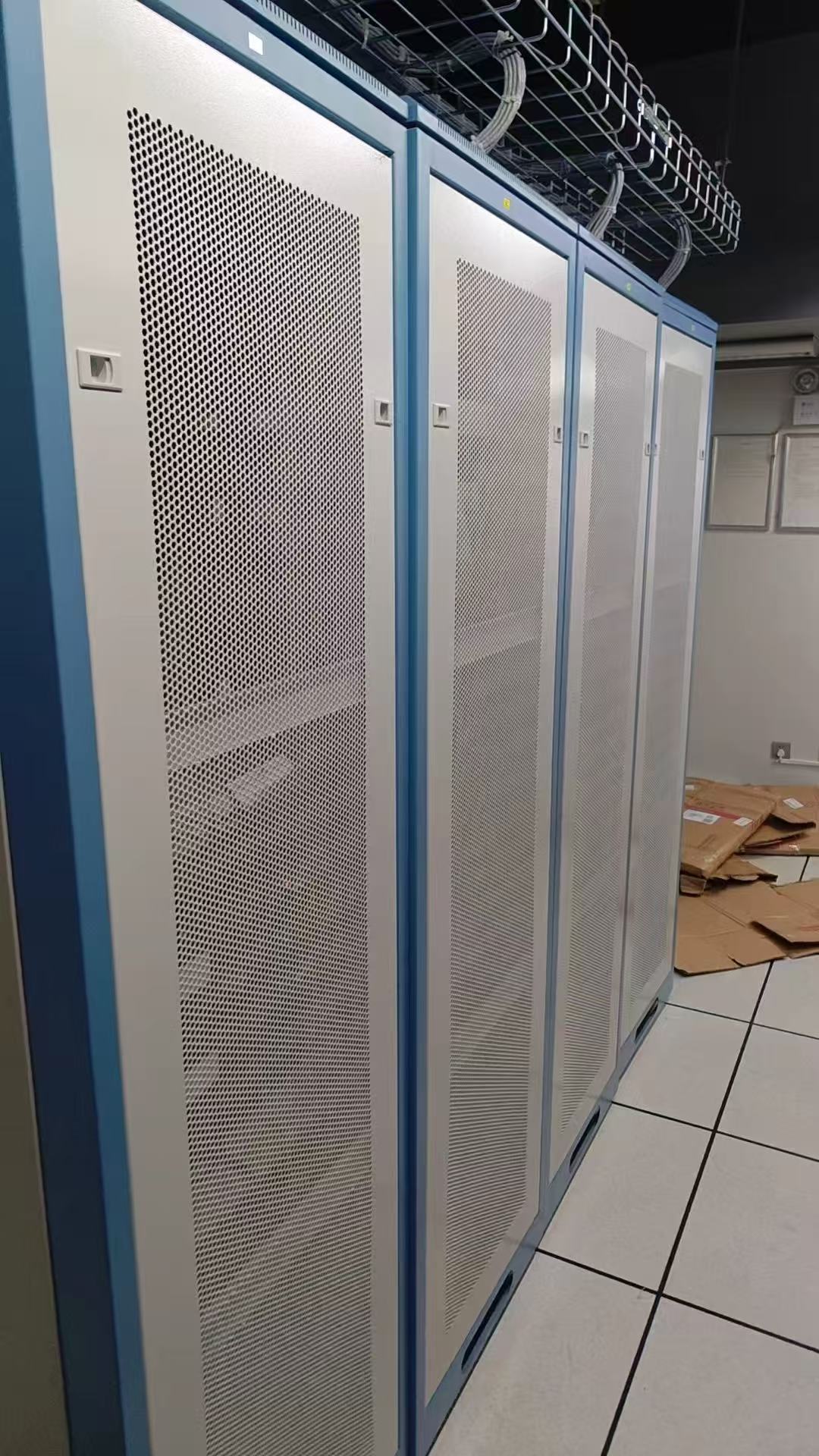
I provide two common mesh hole styles for cabinet doors. One style is hexagonal hole. The other style is round hole. I see both styles used in overseas projects. The right choice depends on the buyer’s design goal and use scene. Some buyers need a unified look for a data center. Some buyers need a simple cost-effective door for telecom or security cabinets. Some buyers need to match an old cabinet design.
I usually explain the difference like this.
| Hole Style | Main Feature | Best Fit |
|---|---|---|
| Hexagonal hole | Modern look and high open area | Data centers, server rooms, premium network cabinets |
| Round hole | Clean and standard appearance | General network cabinets, security projects, power rooms |
| Custom punching | Special size or special pattern | Non-standard cabinet projects |
I do not treat the hole as a small detail. The hole size and punching pattern affect the strength of the door panel. The door should not become soft after punching. This is why I match the mesh pattern with the steel thickness. I often use cold-rolled steel with a thickness from 1.2 mm to 1.5 mm. If the cabinet is larger or the door is wider, I may suggest a thicker plate or a stronger frame.
I also consider coating quality after punching. Each hole creates an edge. If the surface treatment is poor, rust may start from these edges in humid or rough conditions8. I use electrostatic powder coating because it gives a strong surface, stable color, and better protection.9 I can also support different colors when the project needs brand matching or room matching.
When Should I Use A Single-Open Mesh Door Or A Double-Open Mesh Door?
I see many cabinet rooms with limited space. A door may hit a wall, another cabinet, or a passage if the opening method is wrong.
I use a single-open mesh door when the site has enough swing space. I use a double-open mesh door when the cabinet is large or the room limits the opening angle. Double doors reduce the needed opening width.10
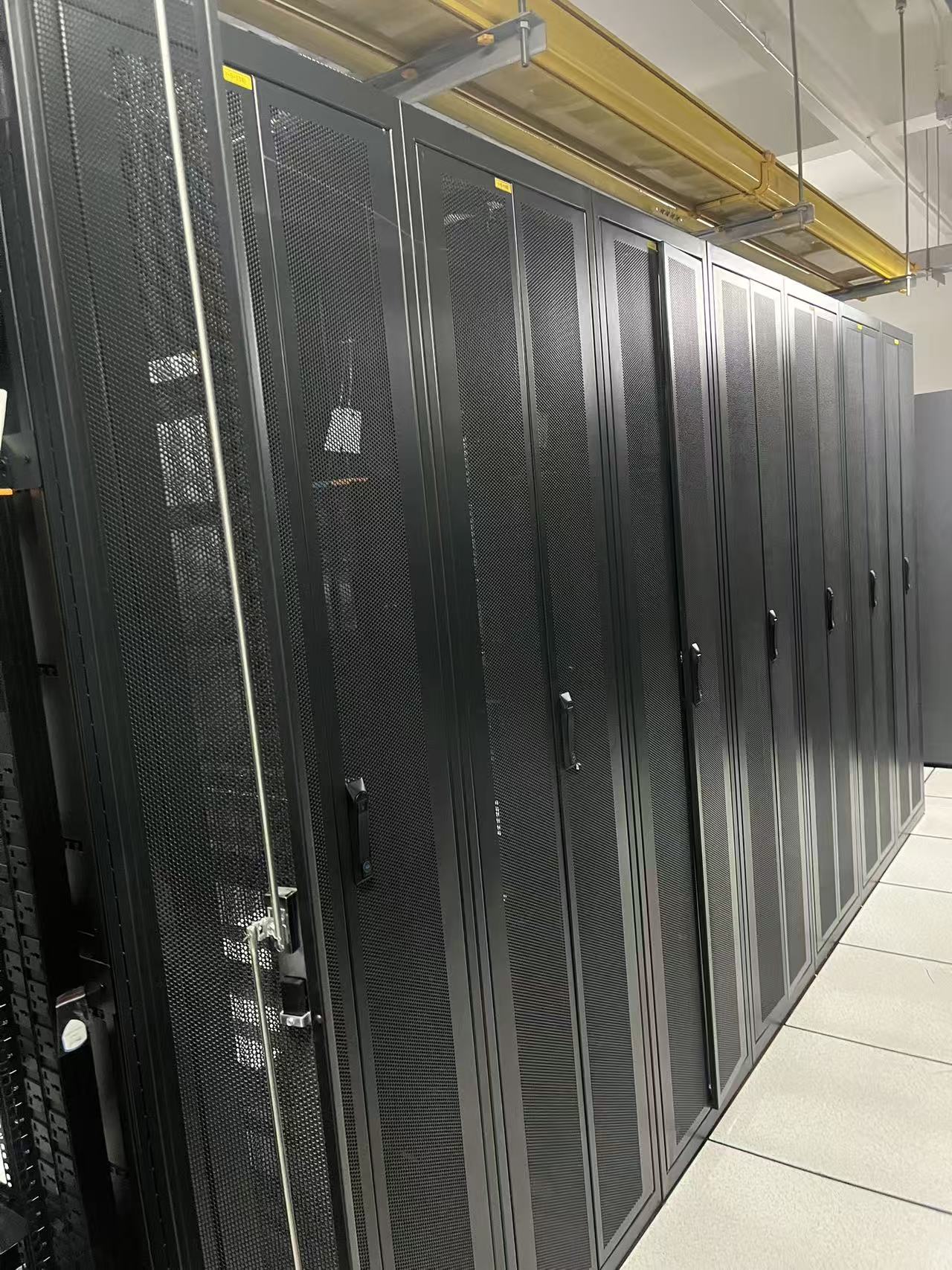
I choose the opening method after I understand the installation room. A single-open flat mesh door is simple, cost-effective, and easy to use. It fits sites where the door can open fully without being limited by walls, cable trays, other cabinets, or narrow aisles. This type is common on many standard network cabinets.
A double-open mesh door works better for large cabinets and narrow rooms. Each door leaf is smaller, so the opening arc is smaller. This helps the operator open the cabinet in a limited space. I often suggest double-open mesh doors for large server cabinets, equipment rooms with dense cabinet rows, and projects where maintenance space is tight.
| Door Opening Type | Space Need | Cabinet Size | My Common Suggestion |
|---|---|---|---|
| Single-open flat mesh door | Needs larger opening arc | Standard cabinets | Good for open rooms and lower cost needs |
| Double-open flat mesh door | Needs smaller opening arc | Large cabinets | Good for narrow aisles and large cabinet doors |
| Single-open protruding mesh door | Needs normal arc but adds depth | Standard cabinets | Good when equipment is deeper than cabinet body |
| Double-open protruding mesh door | Needs smaller arc and adds depth | Large cabinets | Good for large deep equipment and limited room space |
I do not only ask for cabinet height and width. I also ask where the cabinet will stand. I ask whether the front door faces a wall. I ask whether the rear door needs regular maintenance. I ask whether the aisle is narrow. These simple questions save trouble during installation.
I also check hinge strength and lock position. A wide single door puts more load on the hinge side. A double door spreads the size into two parts. The lock and door alignment must still close tightly. I care about this because a poor door feels loose after long use. I want the door to open smoothly and close firmly.
Why Do I Need A Protruding Or Deepened Mesh Door?
I have seen equipment that is deeper than the cabinet body. The installer tries to close the door, but the flat door touches the device.
I use a protruding mesh door when installed equipment exceeds the cabinet depth. I also call it a deepened mesh door. It adds front or rear space, so the door can close while airflow and protection remain stable.
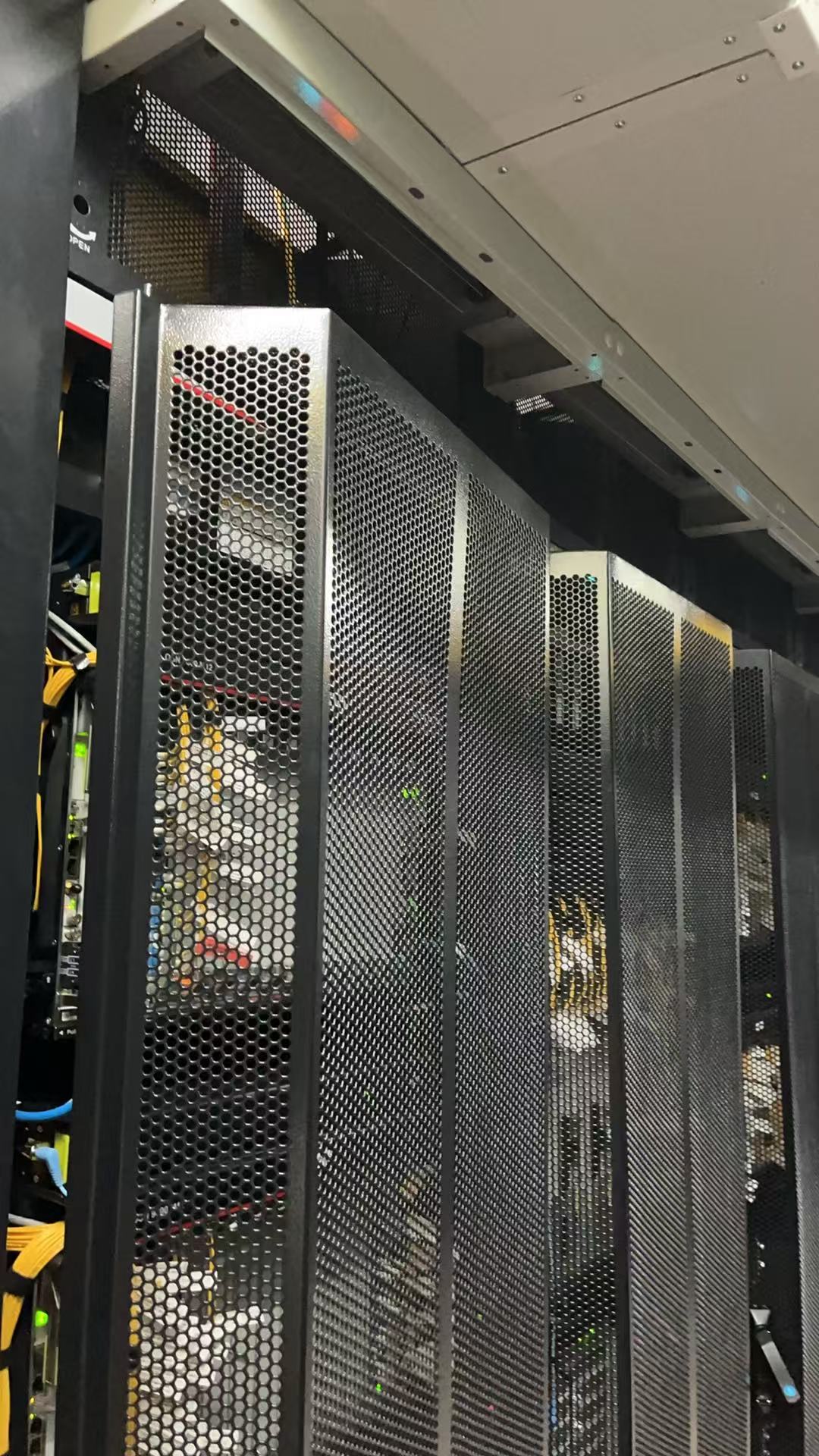
I use protruding mesh doors when a normal flat door cannot close after equipment installation. This problem is common in projects with special servers, power modules, large connectors, thick cables, or rear cable management parts. The cabinet depth may be fixed, but the device or cable may need extra space. A protruding mesh door solves this issue without changing the whole cabinet body.
I also call this type a deepened mesh door. The idea is simple. The door surface moves outward. The cabinet gains more usable depth at the door side. The airflow still works because the door remains a mesh structure. The door can be single-open or double-open based on the cabinet size and room space.
| Protruding Door Type | Main Use | Benefit |
|---|---|---|
| Single-open protruding mesh door | Standard cabinet with deeper device | Adds depth and keeps simple operation |
| Double-open protruding mesh door | Large cabinet with deeper device | Adds depth and reduces opening arc |
| Custom deepened mesh door | Special equipment or special cable space | Matches non-standard project needs |
I pay close attention to the protruding depth. If the protruding part is too shallow, the door may still touch the device. If it is too deep, the cabinet may take more room than expected. I usually confirm the installed equipment depth, connector space, cable bending space, and door clearance11 before production.
I also think about the look. A protruding door should not look like a rough add-on. The bending, welding, frame shape, and coating should match the whole cabinet. I make protruding mesh doors for normal cabinet styles and custom cabinet styles. I can also customize color, lock type, and thickness when the buyer needs a unified design.
What Material Thickness And Surface Treatment Should I Choose?
I know a weak door can shake, bend, rust, or close badly. A low-cost door can become expensive after site problems appear.
I choose 1.2 mm to 1.5 mm cold-rolled steel for mesh doors based on door size, load need, and project standard. I use electrostatic powder coating to improve surface protection, color stability, and rust resistance.
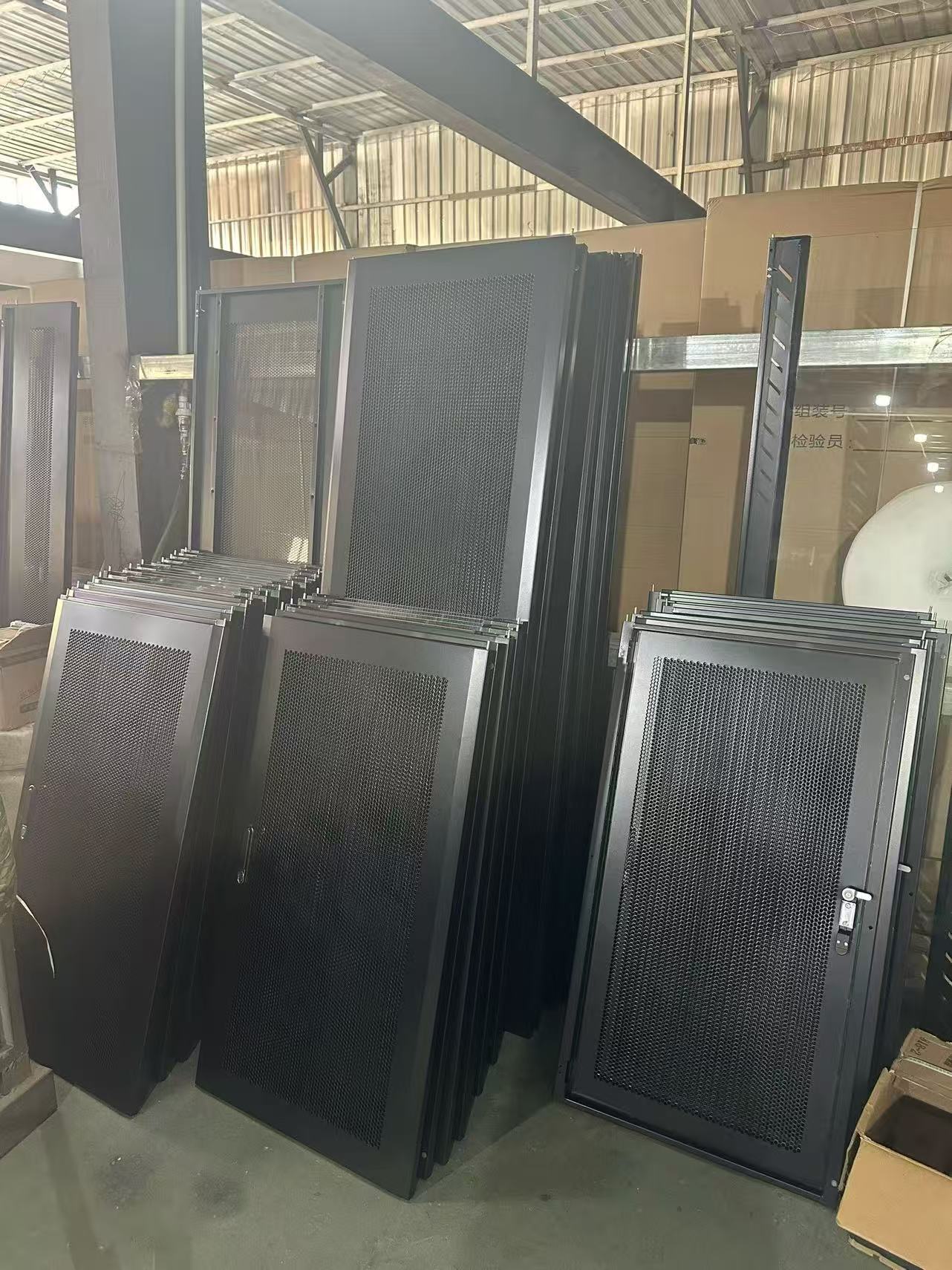
I make mesh doors with cold-rolled steel because it has high strength and good forming performance. It is also stable during punching, bending, welding, and coating. For most cabinet mesh doors, I offer material thickness from 1.2 mm to 1.5 mm. A thinner option may reduce cost, but the door must still meet the needed strength. A thicker option gives better rigidity, and it can be useful for large doors, heavy-use sites, or special projects.
I usually explain the thickness choice in a practical way.
| Steel Thickness | Feature | My Common Use |
|---|---|---|
| 1.2 mm | Good balance of cost and strength | Standard network cabinet mesh doors |
| 1.5 mm | Stronger and more rigid | Large doors, heavy-use doors, custom reinforced doors |
| Custom thickness | Special requirement | Non-standard cabinet or project standard |
I also use electrostatic powder coating for the surface. This process helps the door resist rust, scratches, and daily wear. It also gives a smooth color finish. I can support common colors like black, white, and gray. I can also match custom colors when the buyer has brand or project needs.
I care about every production step. I cut the steel, punch the mesh holes, bend the frame, weld the structure, polish the surface, powder coat the door, and assemble hinges, locks, and accessories. I follow quality control from raw material to finished product. I check the dimension, door flatness, mesh quality, coating surface, hinge fit, lock operation, and packaging.
I believe a good mesh door should feel solid when held by hand. It should not twist easily. It should close smoothly. It should match the cabinet frame. It should also keep its surface clean after long use.
Which Custom Options Can I Add To A Cabinet Mesh Door?
I often meet projects that cannot use only standard parts. The size may be special, the color may be fixed, or the room may need dust control.
I customize mesh doors by size, color, lock style, hole type, thickness, depth, structure, and dust filter. I can make flat, protruding, single-open, double-open, thickened, and non-standard styles for different cabinet projects.
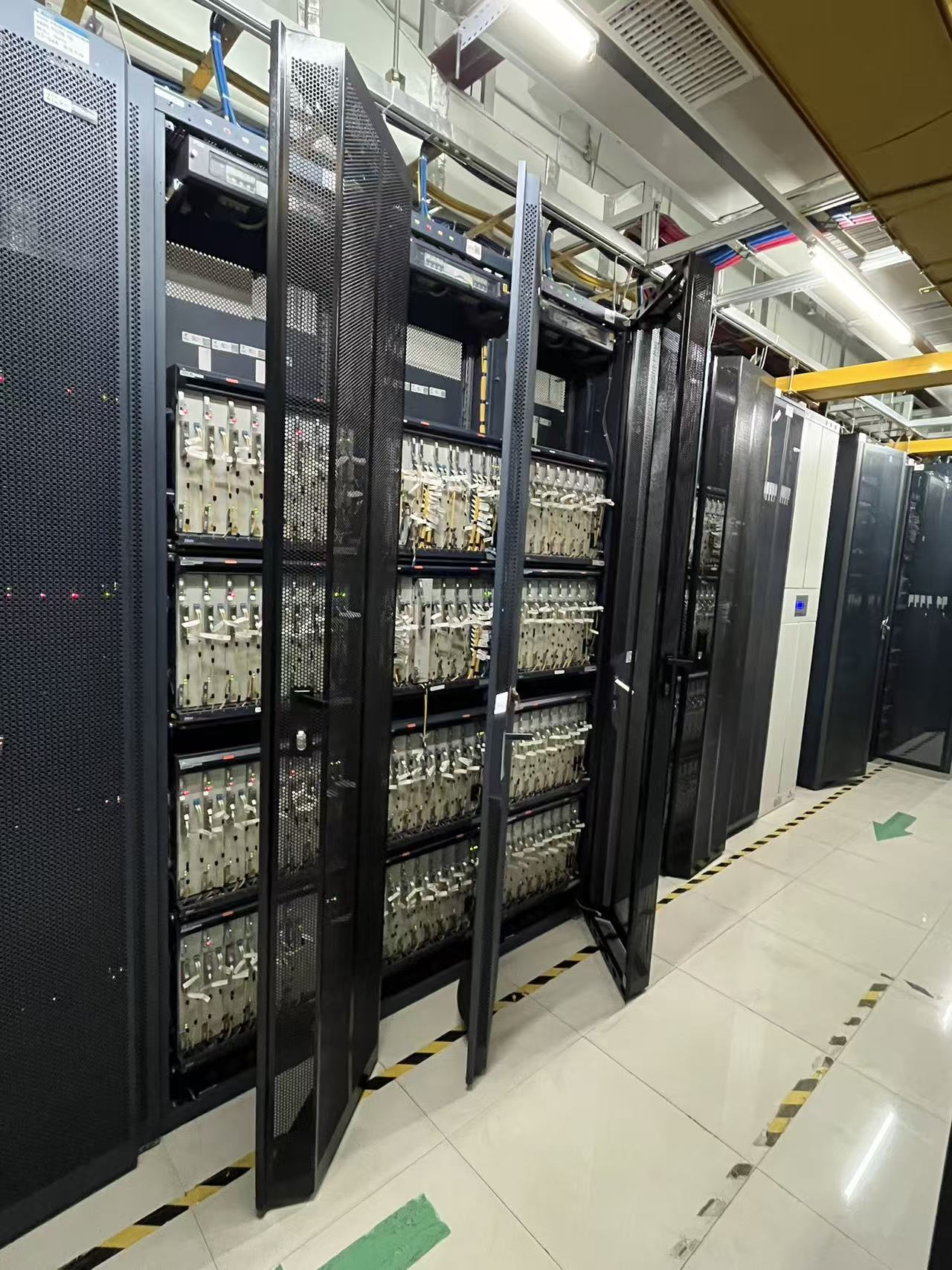
I focus on non-standard customization because many real projects do not follow one fixed cabinet model. Some buyers need one replacement door for an old cabinet. Some buyers need a small batch for a telecom room. Some buyers need a special protruding door because the equipment is too deep. Some buyers need a color that matches existing cabinets. I support orders starting from one piece, so I can help these small and custom needs.
I can customize many parts of the mesh door.
| Custom Item | Options I Can Support | Project Value |
|---|---|---|
| Size | Standard 19-inch cabinet size or non-standard size | Fits new cabinets or replacement use |
| Door shape | Flat, protruding, deepened, reinforced | Solves space and strength problems |
| Opening type | Single-open or double-open | Matches room space and cabinet size |
| Hole style | Hexagonal hole or round hole | Matches airflow and design needs |
| Material thickness | 1.2 mm, 1.5 mm, or custom | Balances strength and cost |
| Surface color | Black, white, gray, or custom color | Matches cabinet room design |
| Lock style | Standard lock or custom lock | Improves use and project matching |
| Accessories | Dust filter mesh, hinges, handles | Adds protection and easier operation |
I can add a dust filter behind the mesh door when the room has more dust. The filter helps reduce dust entering the cabinet. I still remind buyers that filters need cleaning and maintenance. A clogged filter can reduce airflow.12 So I choose filters only when the site really needs dust control.
I also customize reinforced structures. Some large mesh doors need better strength. I can add stronger frames or use thicker steel. I can also change the punching layout and bending design. For outdoor or humid areas, I can discuss anti-rust treatment, waterproof design, or special coating needs with the buyer. The final design should match both the cabinet and the site.
I do not treat customization as only changing a drawing. I confirm the use scene, cabinet size, equipment depth, door opening space, airflow need, color, lock, and packing need. This process helps me reduce mistakes before production.
Conclusion
I choose mesh doors for better airflow, stronger cabinet use, and flexible customization. A good design solves heat, space, depth, and project matching problems.
"[PDF] ASHRAE Thermal Guidelines", https://datacenters.lbl.gov/sites/default/files/ASHRAE%20Thermal%20Guidelines_%20SVLG%202015.pdf. ASHRAE guidance for data-processing environments identifies temperature and airflow control as core operating requirements for reliable IT equipment, supporting the article’s emphasis on cabinet heat management. Evidence role: expert_consensus; source type: institution. Supports: A source should support that IT equipment environments require controlled temperature and airflow conditions to maintain reliable operation.. ↩
"[PDF] quantifying air flow rate through a server in an operational data", https://mavmatrix.uta.edu/context/mechaerospace_theses/article/1223/type/native/viewcontent. Technical guidance on data-center airflow describes rack cooling as dependent on unobstructed intake and exhaust paths, including the openness of front and rear cabinet doors. Evidence role: mechanism; source type: institution. Supports: A source should explain that rack and cabinet airflow depends on front and rear openings, door perforation, and the intended air path through equipment.. Scope note: This would support the airflow mechanism generally, not prove the performance of this specific door design. ↩
"Predicting the Reliability of - Electronic Equipment", https://www.waru.edu/sites/default/files/Migrated/CopDocuments/Pecht%20Nash%20IEEE%20Paper.pdf. Electronics reliability literature reports that elevated operating temperatures accelerate failure mechanisms in electronic components, providing a technical basis for concern about inadequate cabinet airflow. Evidence role: mechanism; source type: paper. Supports: A source should support the relationship between inadequate cooling, higher operating temperature, and reduced reliability of electronic equipment.. Scope note: The source would support the general thermal-reliability relationship rather than quantify failure risk for a particular cabinet. ↩
"19" Server Rack Cabinet | FS Line | Perforated Doors | Up to 47U", https://www.upcom.com.tr/products/server-rack-cabinet-19/?srsltid=AfmBOooL47R-hf53td3OtV5-LetyrulHQHBHOQiwLoKffdjG2vBLP8Yz. Rack-cooling guidance and cabinet specifications commonly describe perforated doors by their open-area percentage, supporting the use of high-open-area mesh doors for airflow. Evidence role: general_support; source type: institution. Supports: A source should show that server-rack perforated doors are commonly specified by open-area percentage and that high-perforation doors are used to support cooling airflow.. Scope note: This would contextualize the stated range; it may not independently verify the exact 65%–85% value for the article’s product. ↩
"Rack unit - Wikipedia", https://en.wikipedia.org/wiki/Rack_unit. The 19-inch rack is a standardized frame for mounting electronic equipment, and it is widely used for servers, networking devices, and telecommunications equipment. Evidence role: definition; source type: encyclopedia. Supports: A source should define the 19-inch rack standard and its use for mounting electronic, network, and server equipment.. ↩
"12U SOHO Server Cabinet- Perforated Front /Rear Doors", https://gawtechnology.com/12u-soho-server-cabinet-with-perforated-front-and-rear-doors/. Data-center airflow guidance explains that rack cooling depends on maintaining clear intake and exhaust paths, which supports the use of ventilated front and rear doors where equipment airflow requires them. Evidence role: mechanism; source type: institution. Supports: A source should support that IT equipment typically depends on defined front-to-rear or side-to-side airflow and that door restrictions can affect cooling.. Scope note: This supports the design principle, not a universal requirement for every cabinet or equipment layout. ↩
"Study of Perforated Sheet (Light Weight Metal Sheet - Academia.edu", https://www.academia.edu/31674186/Study_of_Perforated_Sheet_Light_Weight_Metal_Sheet. Studies of perforated plates show that perforation geometry and open-area ratio affect both flow characteristics and mechanical properties of the sheet. Evidence role: mechanism; source type: paper. Supports: A source should explain that perforation shape, spacing, and open area affect airflow capacity and the remaining strength or stiffness of a metal sheet.. Scope note: The support is general to perforated metal panels and may not evaluate the exact cabinet-door patterns described in the article. ↩
"CORROSION MECHANISMS OF PAINTED METAL", https://www.waru.edu/sites/default/files/Migrated/CopDocuments/Corrosion%20mechanism%20of%20painted%20metal.pdf. Corrosion studies of coated steel identify cut edges and coating defects as common initiation sites for corrosion when moisture and oxygen reach the substrate. Evidence role: mechanism; source type: paper. Supports: A source should support that coating discontinuities, cut edges, or exposed steel can initiate corrosion under humid or aggressive conditions.. Scope note: This supports the corrosion mechanism generally, not the corrosion performance of a specific factory process. ↩
"Accelerated Corrosion Tests in Quality Labels for Powder Coatings ...", https://pmc.ncbi.nlm.nih.gov/articles/PMC8585214/. Materials-coating literature describes powder coating as a polymer film process used on metals to improve corrosion resistance, surface durability, and finish uniformity. Evidence role: mechanism; source type: paper. Supports: A source should support that powder coatings form protective polymer films on metal surfaces and are used to improve corrosion and wear resistance.. Scope note: Actual performance depends on pretreatment, coating thickness, curing, and service environment. ↩
"Double-hinged swinging doors that make working with your hands ...", https://www.instagram.com/reel/DSumaLmkWla/?hl=en. Facility and enclosure-planning guidance notes that split cabinet doors can reduce required swing clearance in aisles by dividing the opening into smaller leaves. Evidence role: general_support; source type: institution. Supports: A source should support that split or double doors reduce the arc or clearance required to open a cabinet in constrained spaces.. Scope note: The exact clearance reduction depends on cabinet width, hinge geometry, and opening angle. ↩
"Network Infrastructure and Installation Standard - VUIT Support", https://tdx.vanderbilt.edu/TDClient/33/Portal/KB/ArticleDet?ID=306. Structured-cabling guidance requires attention to cable bend radius and connector clearance, supporting the need to consider cabling space when selecting cabinet depth or door geometry. Evidence role: expert_consensus; source type: institution. Supports: A source should support that cable management requires clearance for connectors and minimum bend radius, which affects enclosure depth planning.. Scope note: This supports the planning principle; specific clearance values vary by cable type and equipment. ↩
"Influence of pleated geometry on the pressure drop of filters during ...", https://pmc.ncbi.nlm.nih.gov/articles/PMC9700835/. Filtration guidance explains that dust loading increases filter pressure drop, which can reduce airflow in systems without sufficient fan compensation. Evidence role: mechanism; source type: government. Supports: A source should support that dust accumulation on filters increases resistance or pressure drop, which can reduce airflow if the fan system cannot compensate.. Scope note: The source would address filtration behavior generally, not measure airflow loss for a specific cabinet filter. ↩
